
Rural Impact
Immersive Programme
for students.
A hands-on cultural learning journey where students meet local communities, document real stories and turn field experiences into meaningful impact.
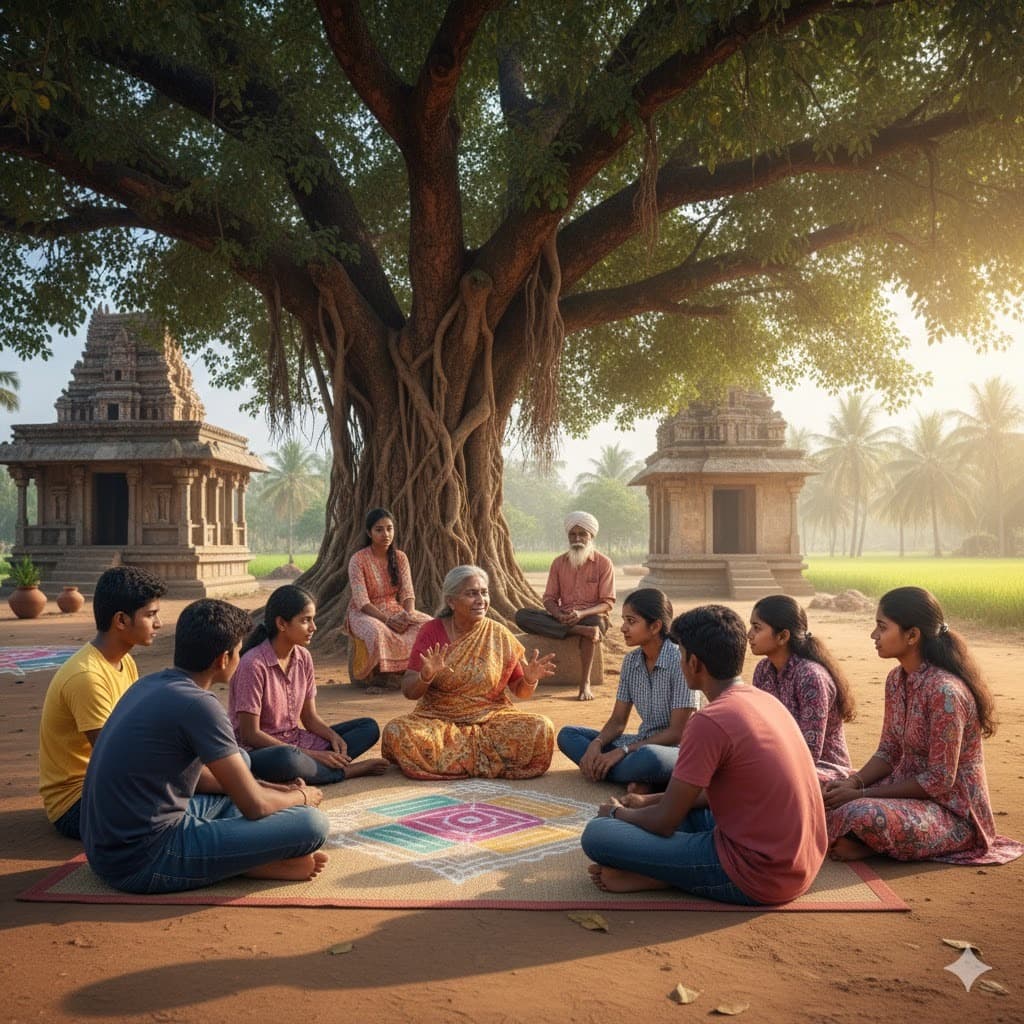
What is RIIP for Students?
RIIP takes students out of the classroom and into workshops, farms and living cultural spaces where they observe, document and solve real rural challenges.
Experiential learning
Students learn by doing, seeing and asking better questions.
Real impact
Each visit supports communities and local knowledge systems.
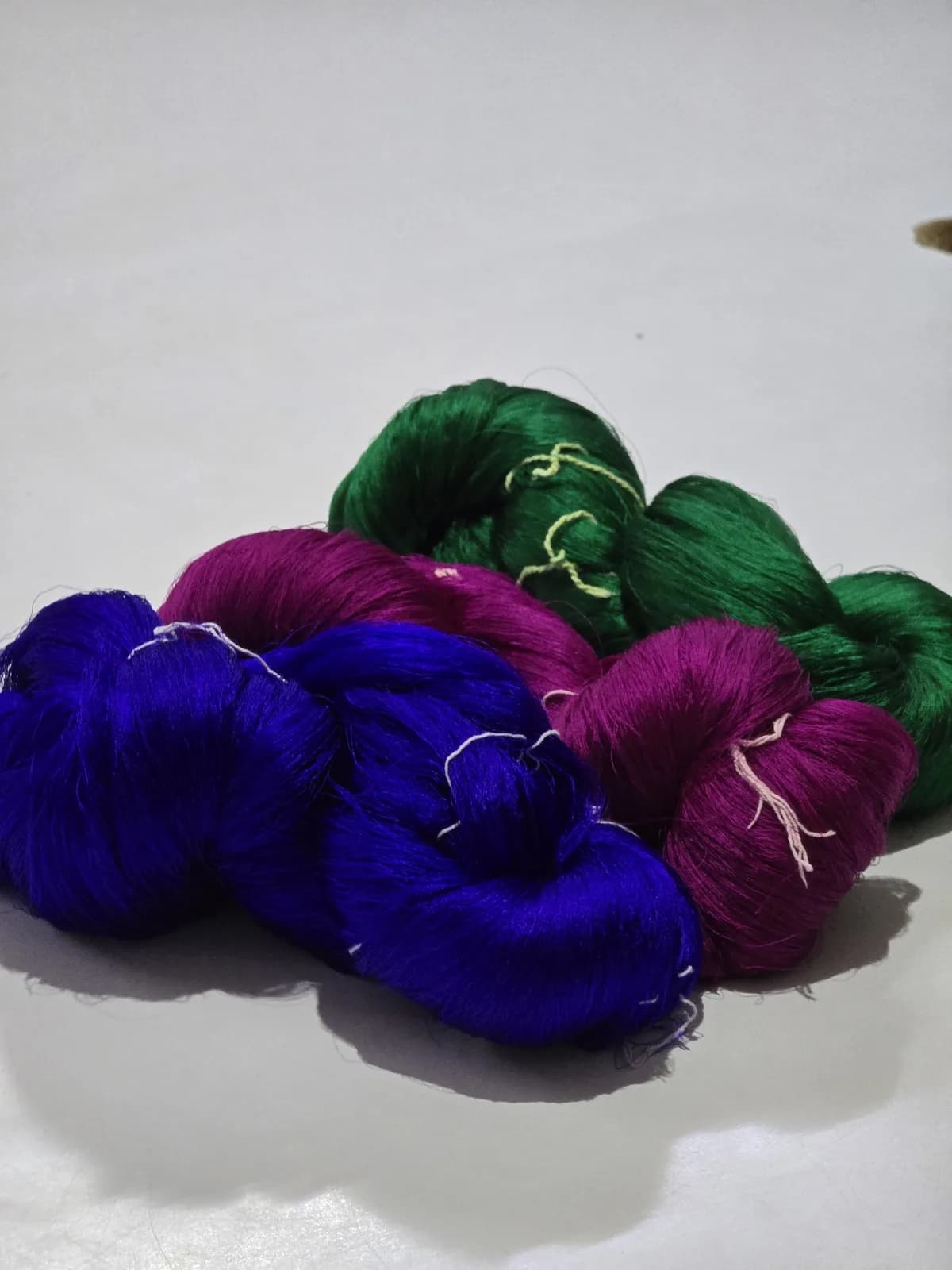
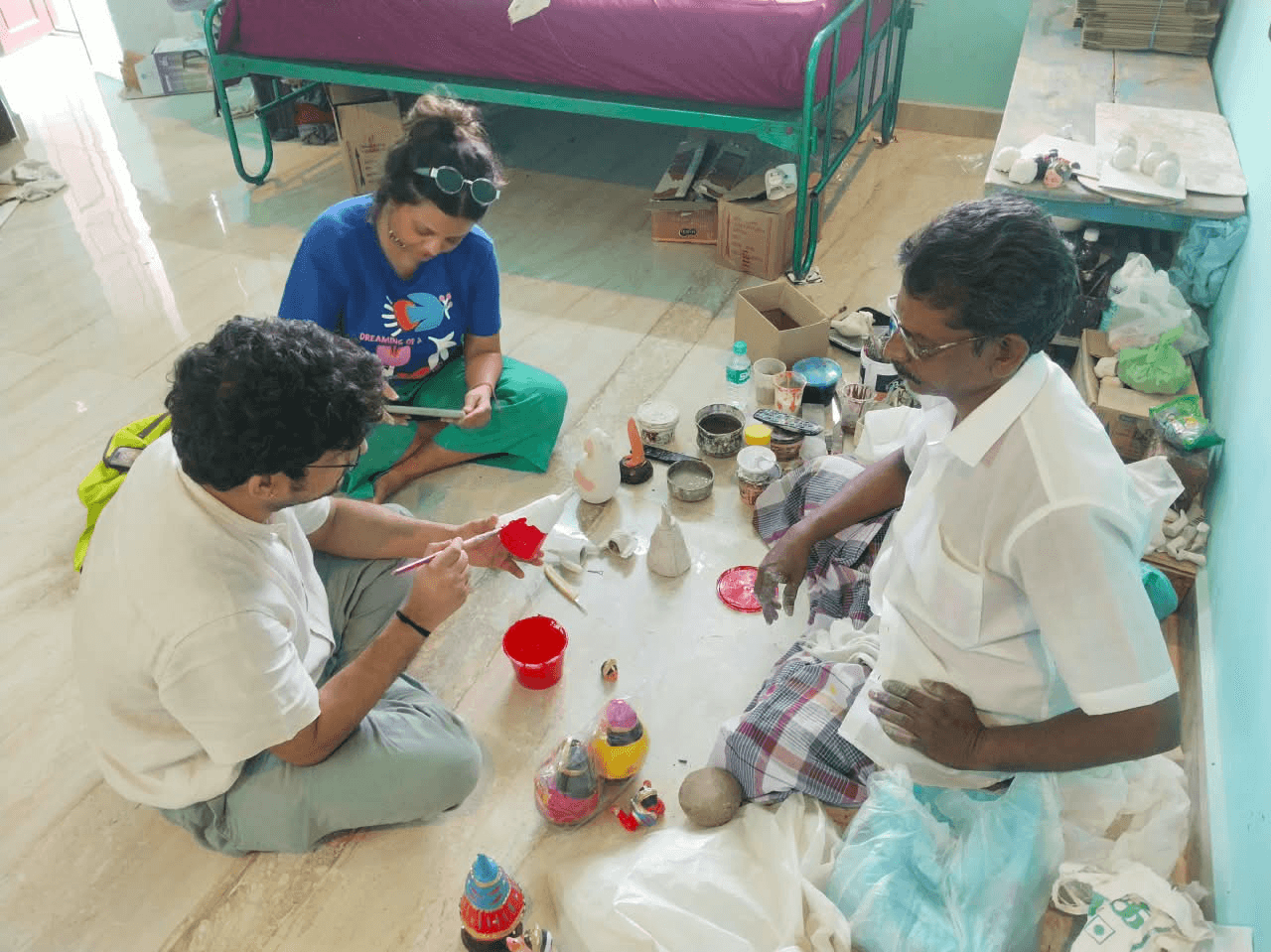
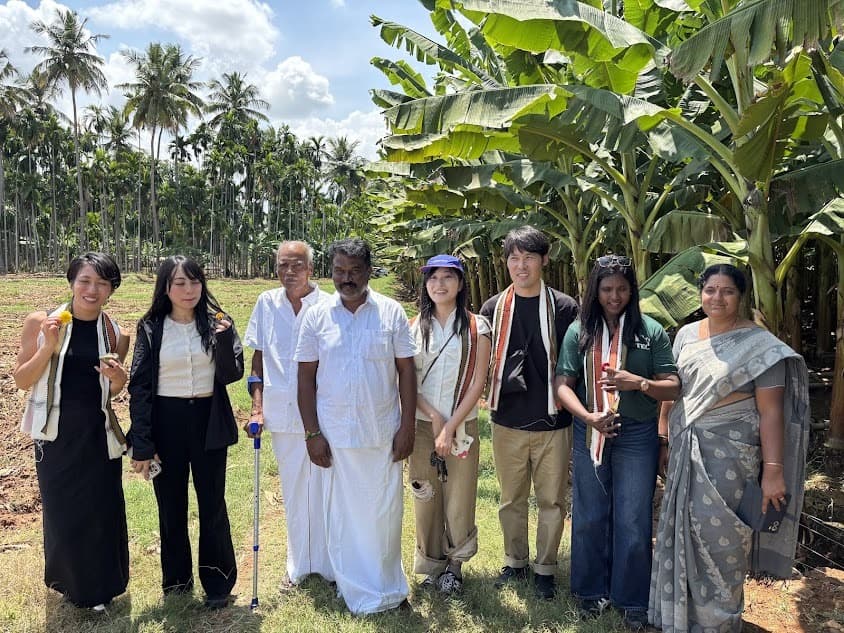
What students actually do
Prepare
Understand the host, craft and place before the visit.
Meet the host
Build a meaningful connection before the activity begins.
Map the journey
Document routes, people, processes and observations.
Create
Make, taste, try, observe and reflect.
Tell the story
Convert learning into a clear output or presentation.
Earn recognition
Receive certification for completing the journey.
Why institutions choose RIIP for Students
Enrich learning
Bring textbook topics to life through real experiences.
Build values
Encourage respect for traditions and community pride.
Curriculum aligned
Support experiential learning and multiple curricular goals.
Safe & structured
Clear coordination, hosts and supervision.
Memorable outputs
Students return with stories, artefacts and reflection.
Plan an immersion
Who should enquire. Teachers, school leaders and college teams can share their institution, student group size and learning goals.
Sample journey. Prepare a question in class, visit local hosts to observe and document, then turn the findings into a project or presentation. Duration and activities are tailored to the group.
Before the field visit. We will agree the destination, transport, accessibility needs and staff supervision responsibilities with your institution.
Cost and next steps. Enquire for a proposed plan and quote. Dates, group size, price and response timing are confirmed with your team before you commit.
Bring RIIP for Students to
your institution.
Let your students explore, experience and express. We will help design the right programme for your institution.
We would love to connect.
Share your details and our team will reach out with next steps.